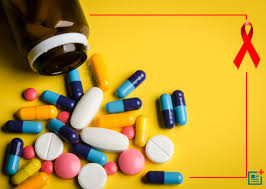
This study presents an analysis of the impact of Antiretroviral Therapy (ART) on HIV treatment outcomes, highlighting its role in reducing viral load, improving immune function, and enhancing the quality of life for people living with HIV. ART has significantly transformed HIV from a life-threatening condition to a manageable chronic disease, reducing morbidity and mortality rates worldwide. By suppressing viral replication, ART not only prolongs life expectancy but also minimizes the risk of transmission, playing a crucial role in achieving global HIV prevention goals. However, challenges such as drug resistance, adherence issues, and disparities in access to treatment continue to affect its effectiveness. Additionally, long-term ART use raises concerns about side effects and comorbidities, necessitating ongoing research into improved formulations and treatment strategies. This study examines ART’s contributions to HIV management, addressing both its successes and the barriers that must be overcome to ensure equitable and sustainable treatment outcomes. For details, vist.
Very good i like it