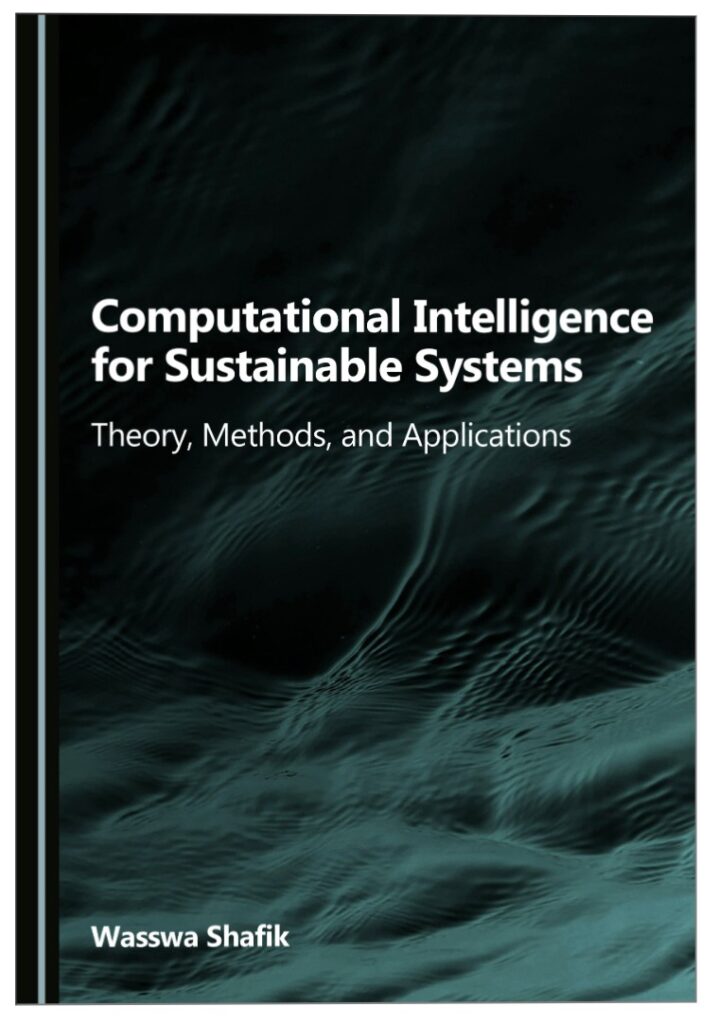
About this book
The book offers a comprehensive and advanced exploration of how computational intelligence (CI) methods can be harnessed to tackle the multidimensional challenges of sustainability. Grounded in foundational principles, the book examines core CI paradigms, including neural networks, fuzzy logic, and evolutionary algorithms, providing both theoretical underpinnings and methodological rigour. It advances into cutting-edge domains with deep learning architectures and hybrid models that integrate adaptive and data-driven decision-making techniques. The volume transitions from theory to practice through real-world applications across critical sectors, energy, smart cities, agriculture, and climate change adaptation, demonstrating how CI can model complex systems, optimise resource use, and enable resilience in dynamic environments. It emphasises the synergy of intelligence and sustainability, highlighting computational frameworks for building future-ready, low-carbon, and efficient infrastructures. The final section explores emerging trends, ethical dilemmas, and integration challenges in deploying hybrid CI systems at scale. With a forward-looking perspective, this book equips researchers, engineers, and practitioners with the knowledge to drive transformative solutions using computational intelligence for global sustainability. It is an essential reference for advanced study and application at the intersection of artificial intelligence and sustainable development.
Visit Cambridge Scholar Publishing for further details